
GeoGirafe is now officially part of the OSGeo Community Projects ecosystem.
This is an important milestone for the project and for everyone who has contributed to its development over the past years.
Joining OSGeo means that GeoGirafe is now recognized within one of the most important international ecosystems dedicated to open-source geospatial technologies. It confirms the project’s commitment to openness, collaboration, and long-term sustainability.
GeoGirafe was created with the ambition of providing a modern, lightweight and extensible framework for building geoportals and geospatial web applications. Becoming part of the OSGeo community is a natural next step in this journey.
What is OSGeo?
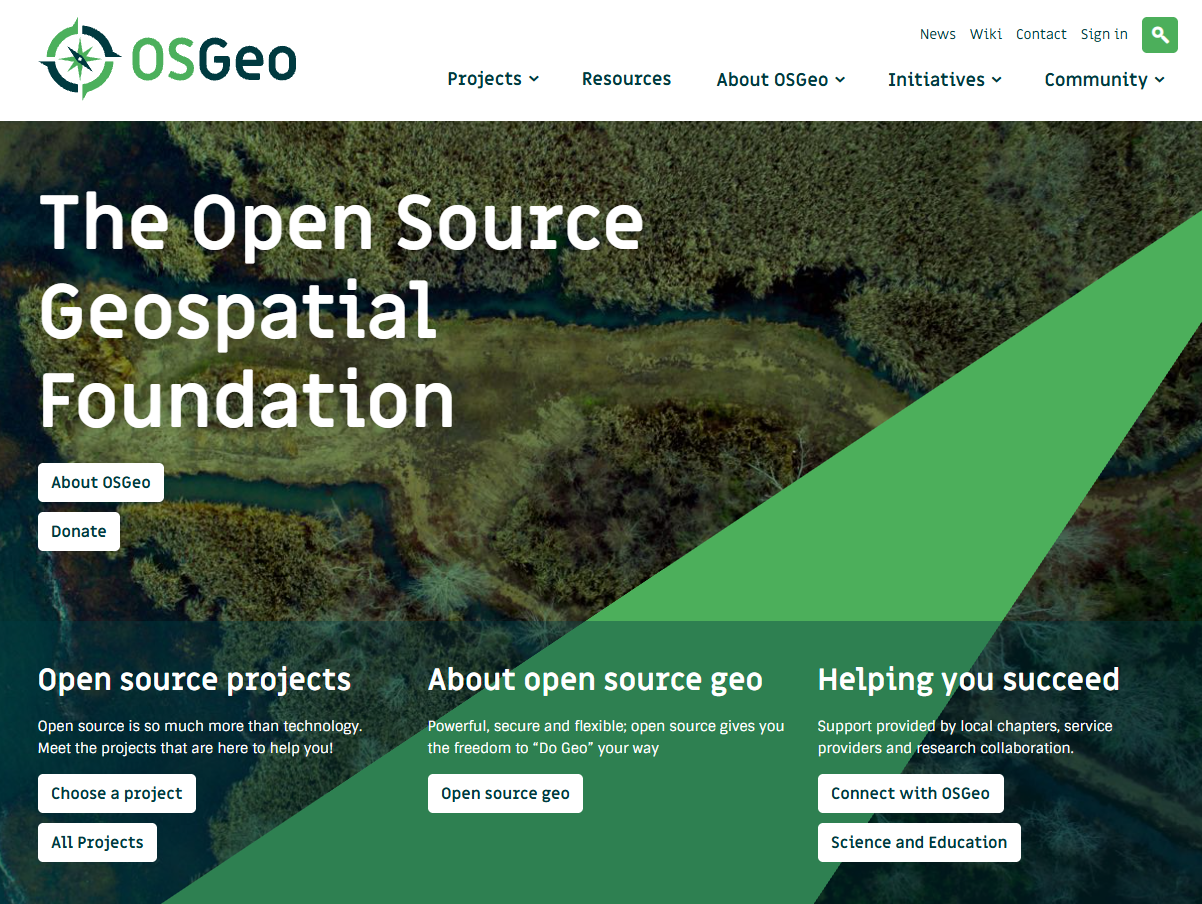
Open Source Geospatial Foundation (OSGeo) is a non-profit organization dedicated to supporting and promoting open-source geospatial software and open standards.
Over the years, OSGeo has become a central reference in the geospatial open-source world, bringing together projects, communities, developers, researchers and organizations around a shared vision of open and accessible geographic technologies.
Many of the most widely used geospatial open-source projects are part of the OSGeo ecosystem, including :
- QGIS
- GDAL/OGR
- PostGIS
- GeoServer
- OpenLayers
- MapServer
- GeoNode
OSGeo also supports many emerging community projects and initiatives focused on innovation, interoperability and open collaboration in the geospatial domain. GeoGirafe is now listed among these initiatives in the Web Mapping category.
Why OSGeo for GeoGirafe ?
Joining OSGeo provides several important benefits for the project.
First, it gives GeoGirafe greater visibility within the international geospatial open-source community. Being referenced alongside well-established projects helps new users and contributors discover the platform more easily.
Second, it reinforces the credibility and sustainability of the project. OSGeo promotes open governance, transparent development practices and community-driven collaboration. This recognition reassures users and organizations that GeoGirafe is built on strong open-source principles.
It also creates new opportunities for collaboration with other projects in the ecosystem. Modern geospatial platforms increasingly rely on interoperability between frontend frameworks, APIs, spatial databases and web mapping services. Being part of OSGeo helps strengthen these connections.
Finally, joining the OSGeo Community Projects initiative is an important step toward growing the GeoGirafe community itself: contributors, documentation writers, testers, designers and users all play a role in the evolution of the project.
How to Appear in the “Who’s Involved” Section ?
One of the nice features of the OSGeo project pages is the “Who’s involved” section, which highlights contributors and community members associated with a project.
To be added there, contributors need an OSGeo UserID. Once connected to the OSGeo platform, contributors can be referenced directly from the project page using their OSGeo account. The OSGeo documentation explains how project maintainers can manage contributors and project information through the platform.
If you would like to support or contribute to GeoGirafe, creating an OSGeo account is a great first step toward joining the wider open-source geospatial community.
It also creates new opportunities for collaboration with other projects in the ecosystem. Modern geospatial platforms increasingly rely on interoperability between frontend frameworks, APIs, spatial databases and web mapping services. Being part of OSGeo helps strengthen these connections.
Finally, joining the OSGeo Community Projects initiative is an important step toward growing the GeoGirafe community itself: contributors, documentation writers, testers, designers and users all play a role in the evolution of the project.